

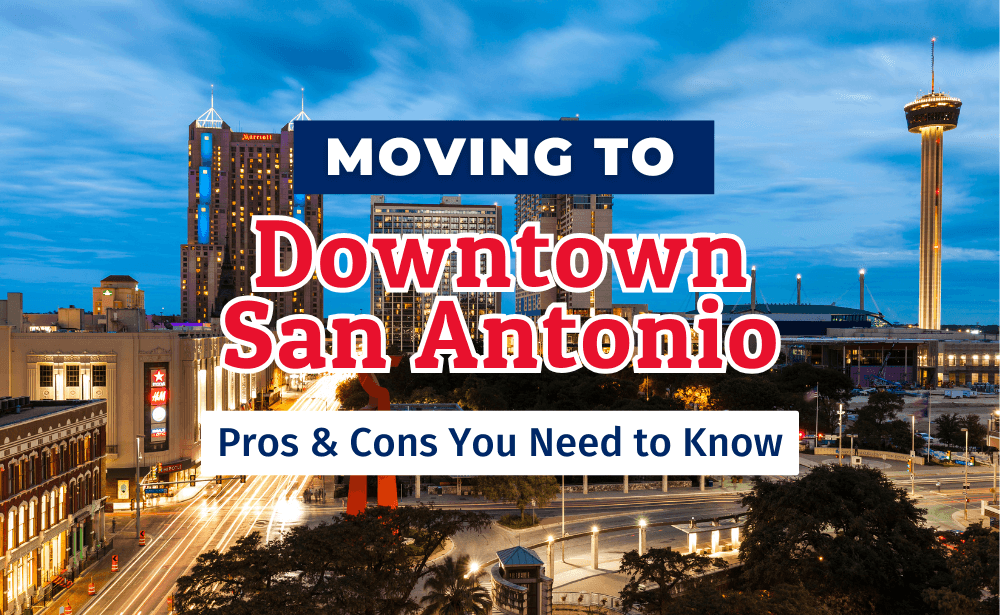
Introduction to Living in San Antonio
Living in San Antonio, also known as The Alamo city has much to offer to those moving to San Antonio, Texas, but while the master-planned communities on the north end draw many families with many amenities, living in downtown San Antonio draws young professionals with its vibrant and historic area that offers a unique blend of culture, entertainment, and lifestyle - making it an attractive option for those considering moving to San Antonio.
If you're still comparing neighborhoods across the city, our moving to San Antonio guide covers what to expect across different areas before you decide.
Imagine living in a place where residents enjoy a diverse range of activities, from visiting the interactive exhibits at The Alamo to attending Fiesta San Antonio, making it an exciting place to live. That's what is available to people who live there.
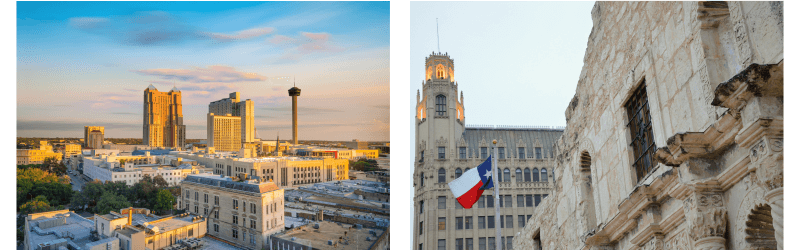
The city boasts a rich history, with popular attractions such as the San Antonio Missions, a UNESCO World Heritage Site, and the famous San Antonio River Walk, all of which contribute to its diverse heritage. San Antonio is known for its rich cultural scene, with numerous parks and a thriving downtown area. And while downtown living isn't for everyone, moving to downtown has many perks. Let's dive into the pros and cons of living there.
Pros of Living in Downtown San Antonio
For people considering moving to San Antonio, there are many reasons it's a great place to call home. Downtown residents enjoy a number of benefits, including its vibrant culture and dining scene, affordable housing market, and job opportunities. Couple that with access to the Hill Country and mild weather, and you have a recipe for great lifestyles.
Affordable Cost Of Living
San Antonio has no state income tax, which can lead to significant savings for residents. The cost of living in downtown San Antonio was about 8-9% below the national average in 2025, and the absence of a state income tax is only part of that affordability. The median household income in the greater San Antonio area is about $63,000 per year, which is lower than Austin's and Dallas's but on par with Houston's.
The Downtown area also offers a range of affordable housing options, including apartments and single-family homes, making it an attractive choice for young professionals and families.
Before locking in your budget, our breakdown of how much it costs to hire movers in Texas can help you plan the full cost of your move.
San Antonio's cost of living is lower than that of other major Texas cities, such as Austin and Dallas.
San Antonio's median home price is around $253,400, making it a more affordable option than other major West Coast cities and a more affordable cost of living than the national average. Lofts and Condos are common in the downtown area, with costs ranging from $150K to $600K, but compared to other cities' downtown areas, it is far less expensive.
And while the downtown area is roughly 70% renters, the average rent for a one-bedroom apartment in San Antonio is around $1,400, and $2,000 for a two-bedroom, which is significantly lower than in other downtown areas in cities like Austin or Dallas.
If you're planning an apartment move in a building with elevator access or restricted parking, our apartment movers team handles downtown logistics across San Antonio.
Job Opportunities and Economy
This military city is home to several major military bases, including Fort Sam Houston and Lackland Air Force Base, making it a great option for military personnel. Joint Base San Antonio is the largest employer in the city, employing over 80,000 people.
The city's economy is also driven by tourism, with popular attractions like the San Antonio River Walk and the Alamo, making it a great place to start a business. San Antonio receives an average of 34 million visitors per year, boosting the tourism and hospitality industry.
The area is also home to several major employers, including Joint Base San Antonio and the San Antonio Stock Show, providing a strong job market. The job market is also supported by a diverse range of industries, including bioscience, renewable energy, and technology. Major employers in the area include:
-
H-E-B - The corporate headquarters of Texas' favorite grocery chain, employing 20K people regionally.
-
USAA - A major campus on the Northside of San Antonio, employing around 17K people in the insurance/banking industry.
-
Rackspace Technology - Information technology and cloud computing.
-
Toyota - The car maker has a large assembly plant on the South Side of San Antonio, producing full-sized Tundra pickups.
-
Southwest Research Institute - The main campus is located in San Antonio and has been regarded as one of the largest and oldest R&D institutes in the U.S., with multiple disciplines in applied technology and engineering.
-
Valero Energy - Headquartered in San Antonio, this leading independent refiner and fuel producer employs roughly 3,700 people in its corporate offices.
Everyday Life
Downtown is the most walkable area in San Antonio, with a Walk Score of 82, compared to the greater San Antonio area's upper 30s, making it easy to access the River Walk, restaurants, shops, and entertainment without needing your car all the time.
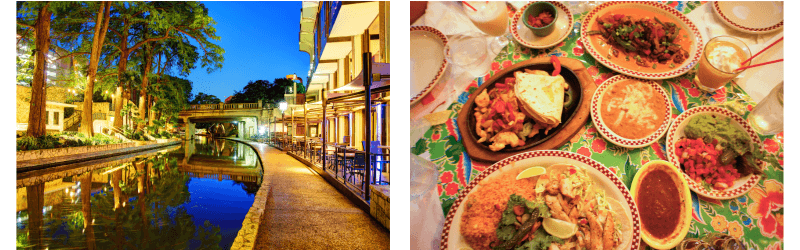
With the walk-everywhere convenience downtown offers, errands are easy, there's built-in entertainment and dining at your doorstep, and an urban greenspace at your disposal via the River Walk trails, Hemisfair Park, and Yanguana Garden.
All of this means downtown San Antonio has a strong sense of community and state pride among its residents, and also a laid-back, friendly vibe that many residents appreciate.
Food Scene
While downtown is known for its vibrant food scene, with a wide range of casual eateries, restaurants, and bars, San Antonio's food scene is famous for its Tex-Mex cuisine and breakfast tacos. The city is recognized as a UNESCO Creative City of Gastronomy, highlighting its diverse culinary offerings. A few of San Antonio's favorite local dining spots include:
-
Boudro's on the Riverwalk - An iconic Texas-style bistro on the River Walk with tableside guacamole and great margaritas; a classic San Antonio hotspot for locals and tourists.
-
La Panadería Bakery Café - Beloved local bakery & café for breakfast/brunch, pastries, and coffee; perfect for casual mornings.
-
Pinkerton's Barbecue - One of downtown's most popular BBQ spots with brisket, ribs, and classic sides (highly rated by locals).
-
Biga - San Antonio Riverwalk Restaurant - Fine dining classic with refined American fare and River Walk views - great for special occasions.
-
Texan Sizzle - Highly rated "hole in the wall" casual burger joint for a quick bite downtown, serving burgers, Tex-Mex, and sandwiches.
Pearl Brewery District and Hemisfair also offer foodies tons of options, with Pearl ideal for lunch, special dinners, and foodie crawls, while Hemisfair is more casual and daytime-friendly for brunches, coffee, and quick meals. Locals can then finish their evening at the famous Esquire Tavern, the longest-operating bar in San Antonio, which opened in 1933.

Cultural Sites and Events
Living in San Antonio boasts many opportunities to experience its rich culture, as San Antonio is home to several historical sites, making the downtown area a history buff's dream, including the following:
-
San Antonio Missions National Historical Park - A must-see for history buffs. Known for preserving rare and intact Spanish colonial mission communities.
-
San Antonio Museum - With one of the best art collections in Texas, this museum uses the repurposed Lone Star Brewery from the 1880s.
-
The Majestic Theatre - One of the oldest continuously operating theatres in Texas. This venue hosts Broadway touring shows, several major concerts, comedians, and special events.
-
The historic Alamo - Site of the Battle of the Alamo during the Texas Revolution, this site became the rallying cry that fueled Texas's eventual victory for independence.
-
Historic Market Square - Another example of the blend of historic charm and small-town feel.
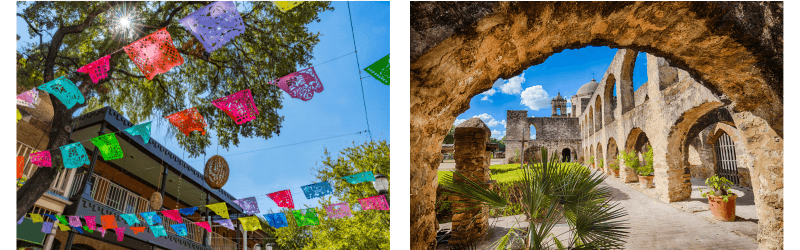
The city features a variety of cultural festivals celebrating Hispanic, Tejano, Irish, and German cultures. The most famous is the annual Fiesta San Antonio, a citywide celebration featuring parades, music, and food. Fiesta San Antonio happens every year in April, with 2026 dates being April 16-26. Events at Fiesta include:
-
Fiesta Flambeau Parade - The largest illuminated night parade in the US and one of the largest draws for spectators during Fiesta.
-
NIOSA (A Night in Old San Antonio) - Four nights of food, music, and themed areas in historic La Villita.
-
King William Fair - Arts, crafts, food, and local culture in the King William Historic District.
But Fiesta isn't the only cultural celebration; the San Antonio Stock Show & Rodeo is one of the largest rodeos in the U.S., attracting over 1.5 million visitors each year. Other cultural celebrations include:
-
St. Patrick's River Parade & River Dyeing (March) - complete with green river, music, entertainment, artisan show, 5K run, and festival vibe.
-
Día de Los Muertos (Day of the Dead) - Muertos River Parade on the River Walk and displays at La Villita & downtown areas. This celebration brings art, altars, music, and ancestral remembrance to central San Antonio each fall.
-
River Walk Artisan Shows (multiple weekends) - local artisans showcase jewelry, pottery, art, and crafts along the river.
Other Entertainment And Activities
When there isn't a cultural celebration happening (there are many), residents can enjoy a range of outdoor activities, including walking and biking along the San Antonio River, and the close proximity to the Texas Hill Country makes it a great place to live for those who love the outdoors. If theme parks are your jam, then Six Flags Fiesta Texas is close to downtown. For sports, the NBA's San Antonio Spurs, UTSA sports, and minor league baseball give sports fans something to do. Finally, there are countless local shops along the riverwalk offering unique art, gifts, and decor.
Mild Winter Weather
Finally, to enjoy all of these activities, San Antonio has mild winters with average high temperatures in the 60s, making it one of the best cities in Texas for outdoor activities year-round. Its subtropical climate with over 250 sunny days per year provides plenty of great days to enjoy. And while the city receives around 33 inches of precipitation annually, most falls in May and June.
Cons of Living in Downtown San Antonio
Daily Challenges
Downtown San Antonio residents face the usual urban challenges in highly populated cities, including noise, congestion, heavy traffic, and parking issues. Downtown parking for residents can easily run $100-$200/month. San Antonio draws a significant number of tourists (37M in 2023), which can lead to congestion and crowded areas.
Hot Summers and Weather
San Antonio can be very hot during the summer months, with temperatures often reaching over 100 degrees. The heat and humidity can make outdoor activities uncomfortable during the summer months, making it important to stay cool and hydrated.
The San Antonio area is also prone to extreme weather events, including thunderstorms and flash flooding, making it important to have a plan in place.
San Antonio is known for having high pollen counts, particularly from mountain cedar trees, which can cause severe allergies. San Antonio ranks among the toughest cities in the U.S. for seasonal allergies, especially in the fall and spring.
However, the city's mild winters offset the hot summers, making it a great place to live for those who want a warm climate.
Limited Public Transportation
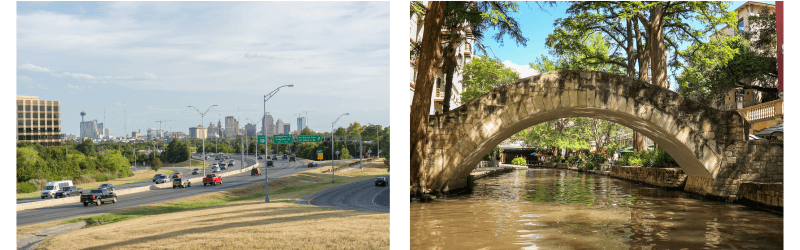
Public transit in downtown San Antonio is often described as inadequate for navigating beyond the central core. The city's Metropolitan Transit system provides bus service, but it can be limited, making it important to plan ahead.
However, the city is working to improve its public transportation system, including the development of a new streetcar system, and ride-sharing services are also widely available, making it easy to get around without a car.
Cost of Living
While San Antonio has a lower cost of living than other major Texas cities, Downtown San Antonio can be more expensive due to its desirable location. Housing costs, particularly in Downtown San Antonio, can be higher, making it important to budget accordingly.
While San Antonio has no state income taxes, it does have the fourth-highest property taxes in the nation, with an effective property tax rate of 1.85%. However, the city's affordable housing market and lower property taxes than in other major Texas metro areas make it an attractive option for those who want to own a home.
Safety And Crime In San Antonio
San Antonio has a higher crime rate than the national average, with the city's overall crime rating a 'C-' on CrimeGrade.org. And while San Antonio has higher property crime rates than the national average, areas like Tobin Hill, the Pearl District, and King William Historic District are considered safer, with well-lit streets and regular police patrols.
Families prioritizing safety who are comparing downtown to other San Antonio neighborhoods may want to read our Stone Oak neighborhood guide, which covers one of the city's safest residential areas.
Final Thoughts
San Antonio's rich culture, constant slate of festivals, shops, and restaurants make it a draw for people who want the full urban experience while maintaining easy access to jobs, outdoor adventures, and rich history. Do your research to see if San Antonio is the right city, and if downtown is the right part to live in.
For a different pace and neighborhood feel, our Alamo Heights guide covers one of San Antonio's most established and sought-after residential alternatives to downtown.
If and when you're ready to make a move, don't forget to check out 3 Men Movers for all your packing, moving, and portable storage needs.